Why It Matters.
When the SI joint becomes inflamed, unstable, degenerative, or overloaded, it can create pain that overlaps with spine, hip, and pelvic conditions.
About SIJ
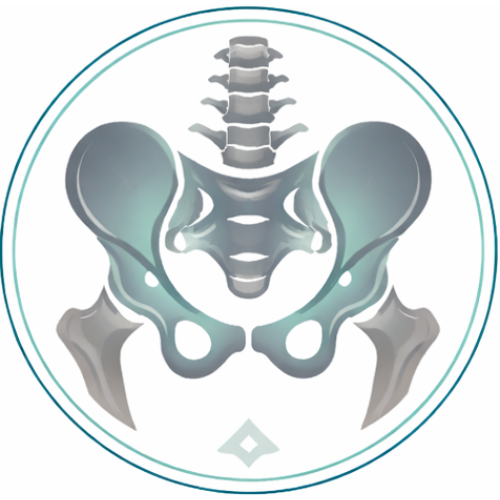
The sacroiliac joint connects the sacrum to the iliac bones of the pelvis. It helps transmit load between the spine and legs, supports stability, and absorbs forces during daily movement.
When the SI joint becomes inflamed, unstable, degenerative, or overloaded, it can create pain that overlaps with spine, hip, and pelvic conditions.
Patients may experience lower back pain, buttock pain, groin discomfort, pelvic pain, and sometimes pain that travels into the thigh or leg.
Because the SI joint sits close to other pain-generating structures, symptoms are often mistaken for lumbar disc, facet, or hip-related problems.
SIJ Institute is built around clearer evaluation, patient education, and a stepwise treatment pathway specific to sacroiliac joint pain.
SIJ Function
The joint helps move force from the upper body into the pelvis and legs during standing, walking, lifting, and changing position. Every movement of your body, active or passive, depends on this load transfer.
SIJ Stability
Even though the SI joint moves only slightly, irritation or abnormal mechanics can trigger pain out of proportion to the amount of motion involved.
Patient View
Understanding the role of the SI joint can help patients ask better questions and make sense of symptoms that may not match a typical disc or hip problem.